Let it R.A.I.N: A Mindful Way to Sit with Difficult Feelings
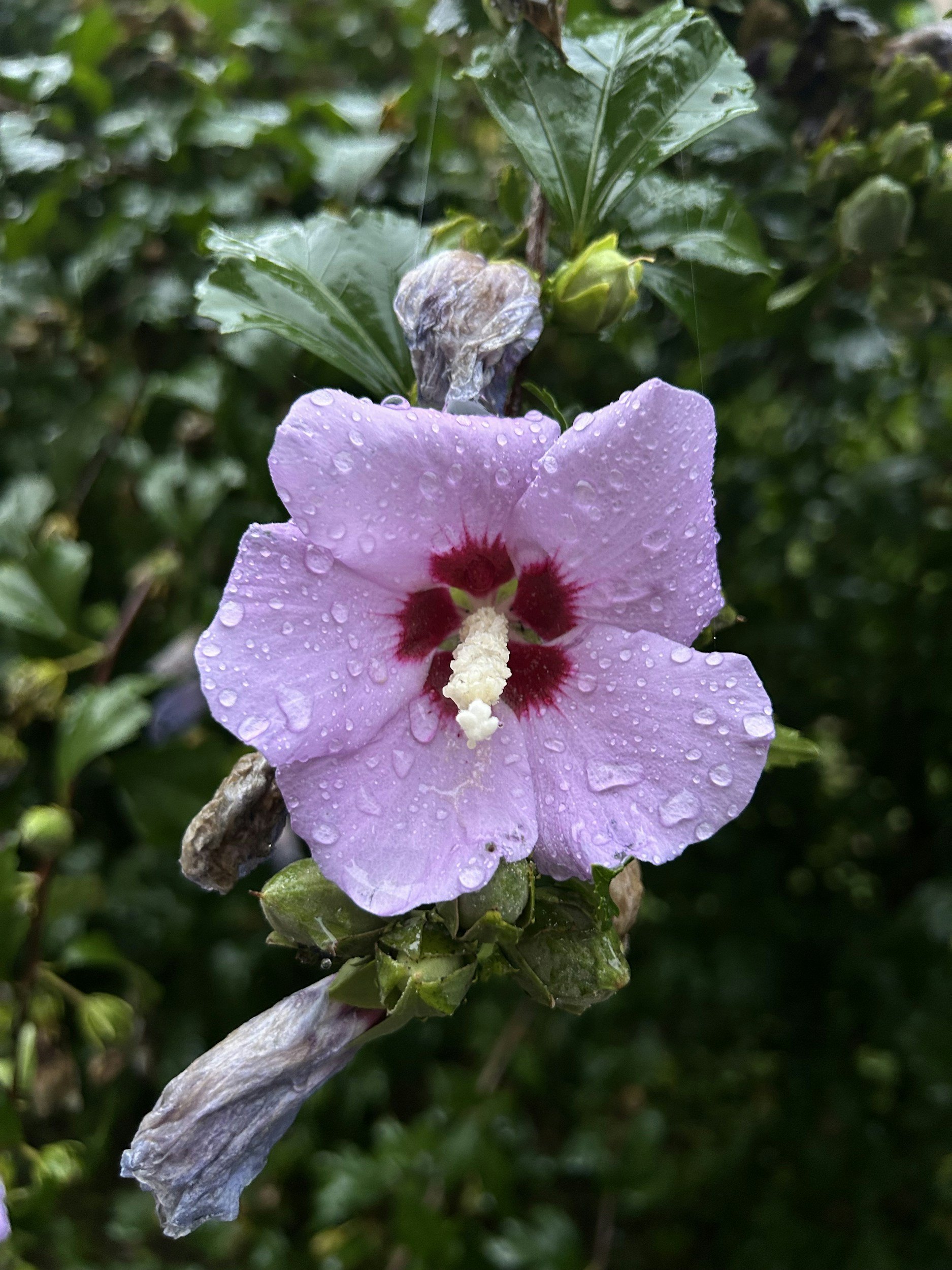
Welcome, April!
As we transition into springtime, we also welcome the inevitable “April showers” that come with it. Some rains are gentle, fleeting, and cleansing, while others feel heavier, longer, or more intense. Our emotional lives often follow a similar rhythm, shifting from lightness to intensity and back again. Just as we learn to move through changing weather, we can also learn to move through changing emotional experiences. One way we can do that is through the practice of R.A.I.N.
R.A.I.N. is an emotional mindfulness practice rooted in Buddhist principles, and developed and popularized by Michele McDonald and Tara Brach. R.A.I.N offers a structured yet compassionate way to experience difficult emotions, moving us away from reactivity or avoidance, and towards awareness and self-kindness. The acronym stands for:
Recognize
Allow
Investigate
Non-Identification/Nurture
So, what does it look like to move through this process? Let’s walk through it together.
Recognize:
We begin by noticing what’s coming up for us. This could be a thought, feeling, physical sensation, or behavior that we’ve become aware of. During this step, we take a pause and draw our awareness towards our current experience. This may look like a gentle whisper naming what you’re feeling, or an internal acknowledgement of your experience.
Allow:
Now that we’ve recognized our experience, let’s take a moment to allow it to exist- just as it is- without trying to change, judge or avoid it. Allowing the experience deepens your connection to your inner life and gives permission to move through the experience rather than resist it. Remember, allowing your experiences doesn’t have to mean that you like them or agree with them, just that you can let them exist while they’re here. This may look like a gentle reminder to yourself: “This is okay,” or “I’m allowing this to be here.”
Investigate:
Here, we begin to deepen our connection to our experience. We can look inward with natural curiosity, asking ourselves questions such as:
Where in my body am I feeling this?
What beliefs about myself are coming up?
What is my vulnerability in this moment trying to tell me?
Our goal here isn’t to analyze or fix, but to understand. Become attuned to your emotional and physical experience, gently investigating what you can learn from this moment.
Non-Attachment/Nurture:
We conclude by creating a non-attachment, or separation, to the moment. This may be a reminder to yourself that all feelings pass, that you are not your thoughts or feelings, and that your identity is not tied to your temporary feelings. It can be helpful to say aloud: “I am experiencing this, but this does not define me.”
Additionally, we can nurture our experience. This may look like turning inwards and asking, “What do I need right now?” Tap into your inner sense of self-compassion to identify what this emotion may need, whether that’s a gentle self-hug, a warm hand placed on your heart, a reassuring phrase, a moment of deep breaths, or a compassionate action.
After the R.A.I.N.
As you finish the practice, notice how you’re feeling. Reflect on the differences and similarities to before you began the practice. Maybe offer yourself some acknowledgement of the emotional work that you’ve just completed. Allow any sense of self-compassion to follow into the rest of your day.
Letting it R.A.I.N.
Like any skill, the practice of R.A.I.N becomes more natural with time and repetition. If you’d like to deepen your practice, consider following along with a guided R.A.I.N. meditation, such as Guided Meditation: The Practice of RAIN by Tara Brach: Guided Meditation: The Practice of RAIN with Tara Brach